Why We Stopped Selling Bamboo Flooring (Mostly)
Bamboo was the eco-poster-child of the 2010s. Then the data came in. Here's why we removed most of our bamboo SKUs - and what we replaced them with.
The SimpliFloors flagship offer
We beat any written quote by 10%.
Bring us a licensed competitor's bid on the same material and install scope - we beat the bottom line by 10%. In writing. No haggling.
- Next-day installOrder by 2pm - installed tomorrow.
- All-inclusive pricingPad, removal, haul-away, base.
- Lifetime install warrantyWe replace, repair, or refund.
- Free in-home estimateExact sq ft confirmed in writing.
Four small steps. Zero pressure.
From "I'm just looking" to "It's installed" - here is exactly what happens, with the time it takes at each step.
 About 2 minutes
Book your home visit
Pick a time online or by phone. A real person, no robots.
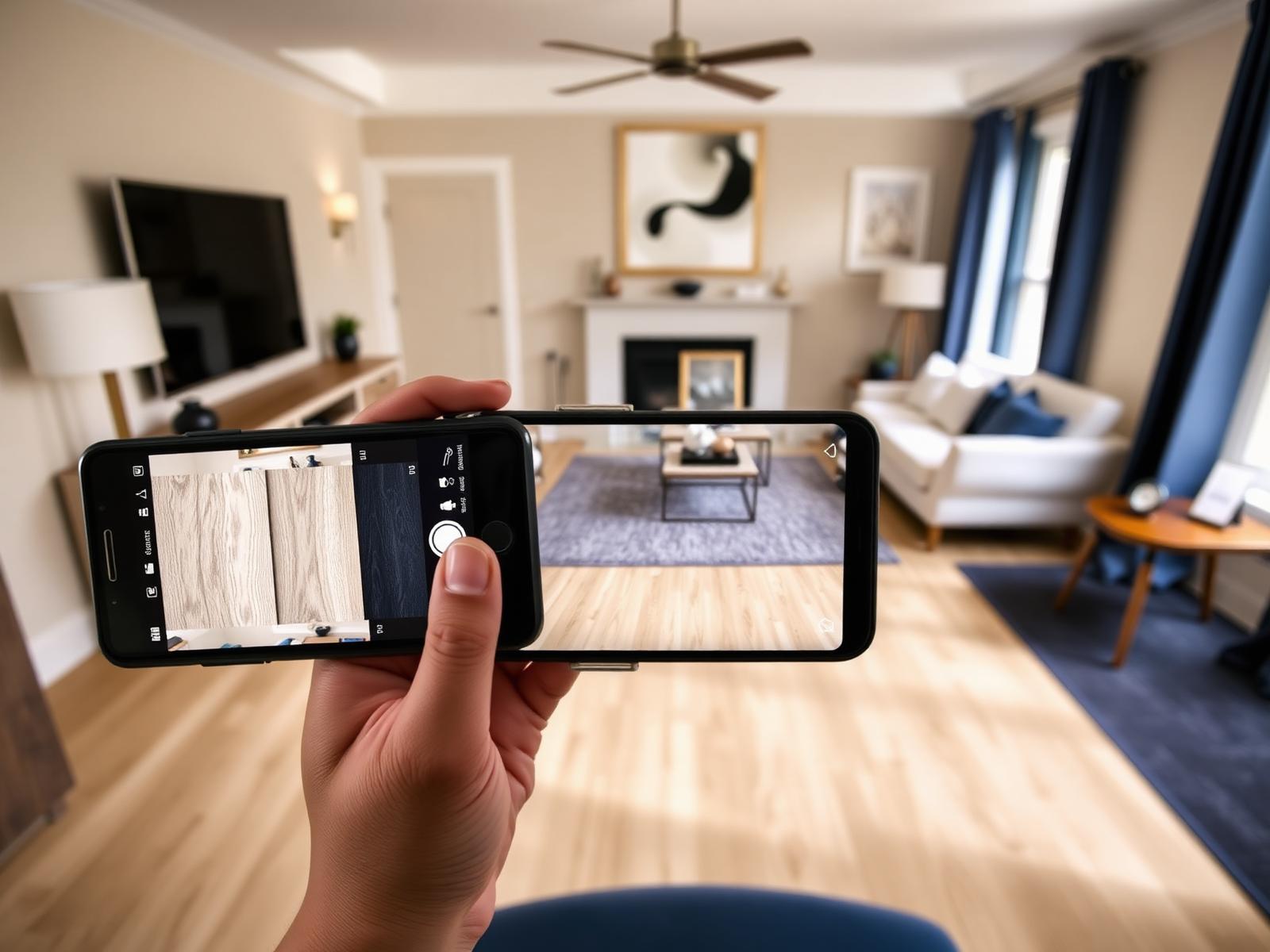 Same week
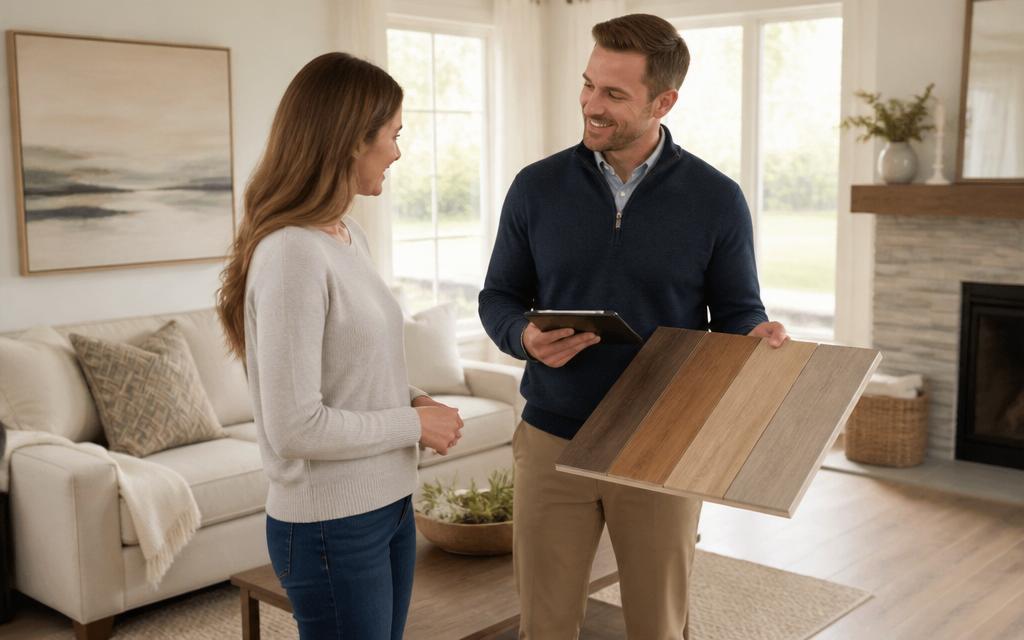
Samples at your door
A local pro brings real planks, tile, and carpet that match your style.
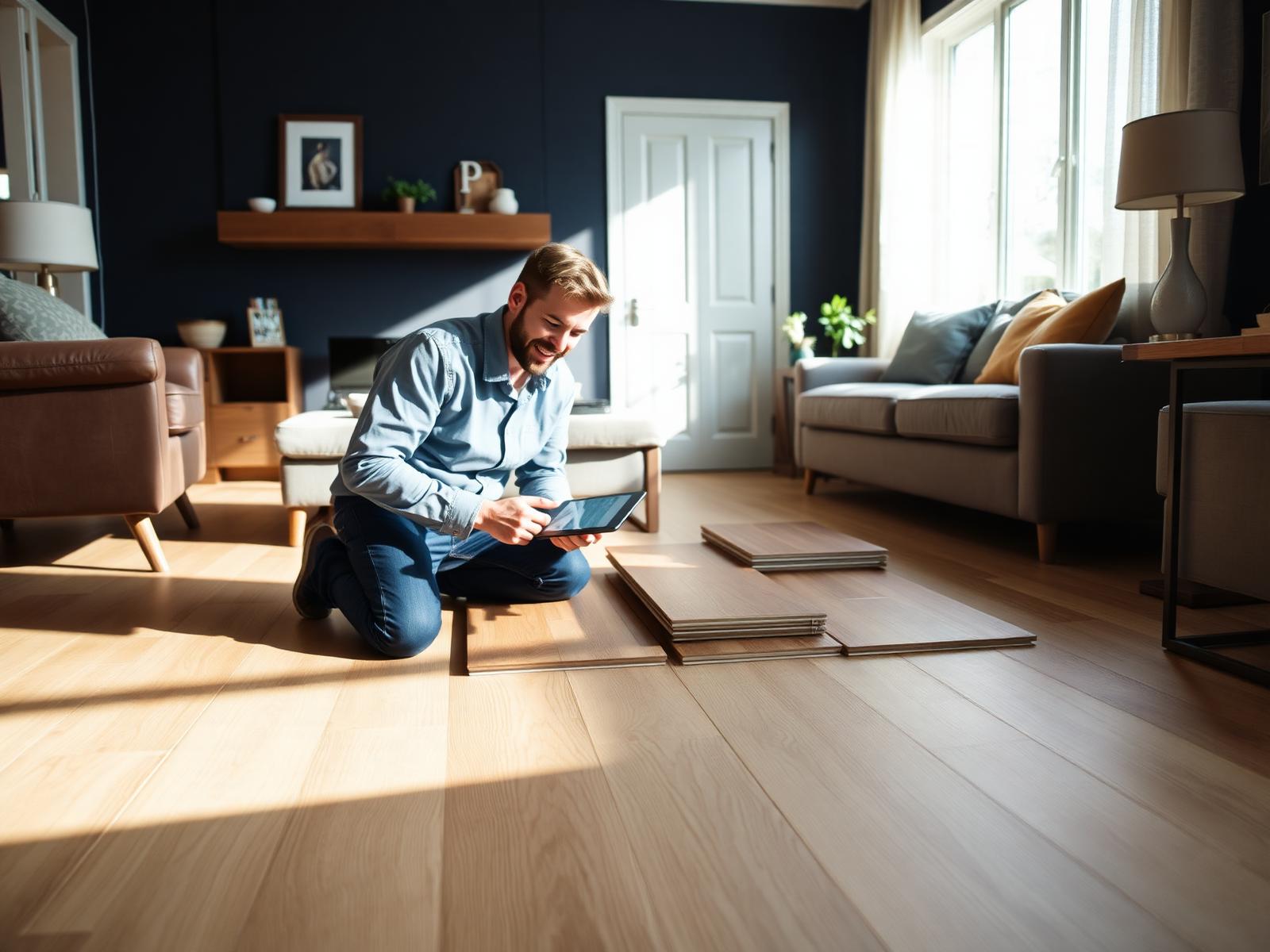 About 1 hour
Measure & real price
Laser-measured rooms with a written all-inclusive price on the spot.
 As soon as next day
Installed tomorrow
Vetted local installers. Lifetime install warranty in writing.
What you'll pay today
$0. No deposit until you say yes.
Five promises. In writing. On every job.
Price-Beat
Beat any quote by 10%
Next-Day Install
In-stock materials
Lifetime Install Warranty
On every job
No-Pressure Promise
Real prices first
Vetted Installers
Background-checked

Bamboo became the eco-friendly hardwood substitute around 2010. The story was great: grows in 5 years instead of 50, captures carbon faster than oak, comes from sustainable plantations in China.
The reality turned out messier. Most bamboo flooring uses urea-formaldehyde adhesives at concentrations higher than typical engineered wood. The shipping carbon from China often exceeded the growing-cycle savings. And much of the 'sustainable plantation' marketing didn't survive independent audits.
Strand-woven bamboo is genuinely hard - comparable to white oak on the Janka scale. But the adhesive concerns and the supply-chain opacity made it hard to recommend to customers asking for the most sustainable option.
We kept two strand-woven bamboo SKUs from a Vietnamese mill with verified third-party audits and CARB-2 / FloorScore certification. We removed the rest. If sustainability is your priority, FSC-certified domestic white oak now beats bamboo on every measure that matters.